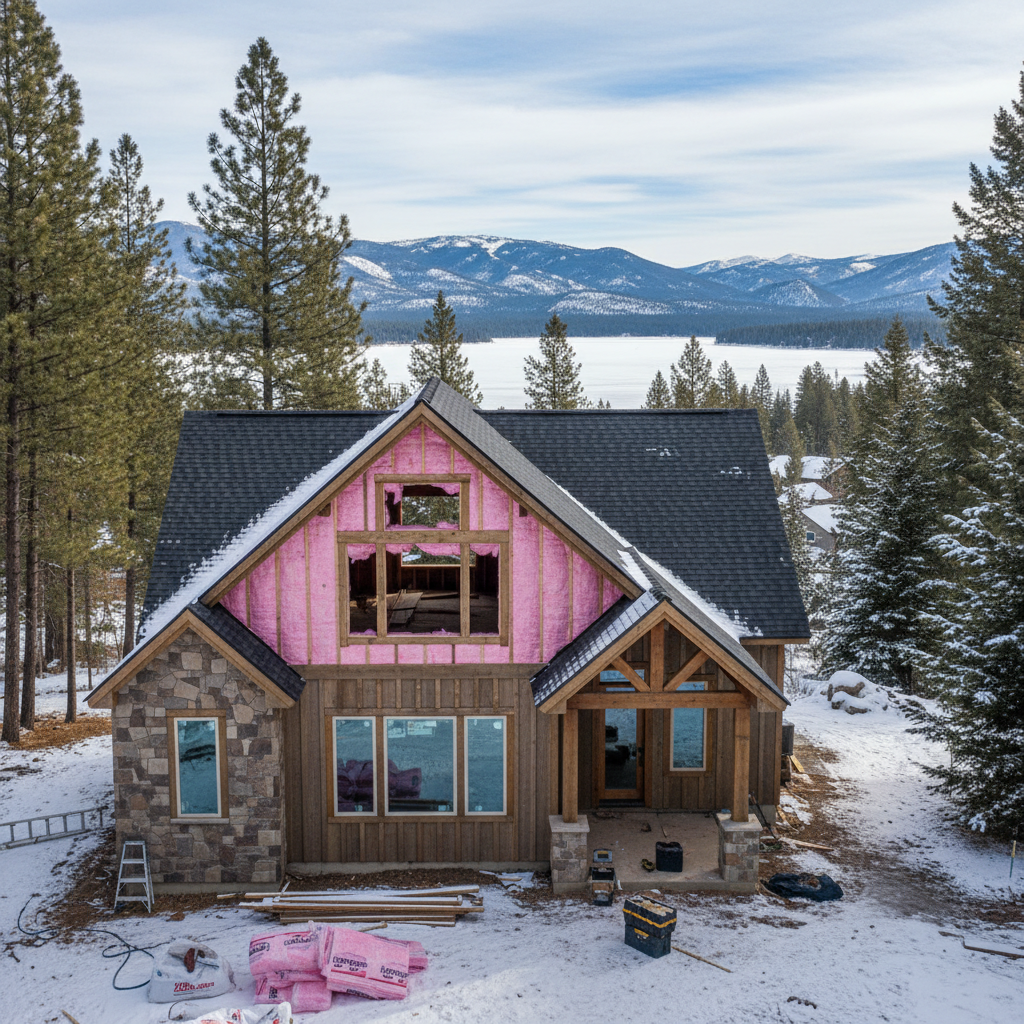
So, you're thinking about batt insulation for your place here in McCall. Smart move. It's a classic for a reason, you know: it's effective, it's affordable, and when you get it installed right, it does a fantastic job keeping the heat in during those long, cold winters and out during our surprisingly warm summers. But that "installed right" part? That's really the key phrase, especially with the unique conditions we have around here.
Why Batt Insulation Still Tops the List
Sure, you've got choices when it comes to insulation, no doubt about it. Spray foam, blown-in cellulose, rigid foam boards — they all have their place. But batt insulation, usually fiberglass or mineral wool, remains a favorite for a lot of folks. Why? It's pretty straightforward, it gives you excellent thermal resistance (that's R-value, for short) per inch, and it's generally less of a hassle to put into existing wall cavities or attics compared to some other methods. For new construction or big remodels, it’s often the most budget-friendly way to hit those energy efficiency goals.
I’ve seen it work wonders in all sorts of places, from the charming old cabins down by Payette Lake to the newer, larger custom homes popping up in spots like Whitetail. It’s flexible, and that’s a huge plus.
The McCall Factor: It's Not Just Cold, It's… Everything Else Too
Now, this is where having local expertise really comes in handy. It’s not enough to just know how to unroll a batt and stick it in place. You absolutely have to understand what our McCall climate is going to throw at it.
- Wild Temperature Swings: We get brutal cold, absolutely, but we also deal with big temperature swings. That means your insulation needs to work consistently, not just when it’s at its coldest or warmest.
- Moisture Management: This is a big one. We get a ton of snow, and when it melts, or during our rainy seasons, moisture can be a real problem. Getting the vapor barriers and air sealing right is absolutely critical with batt insulation. If you don't handle moisture properly, you're looking at potential mold, mildew, and insulation that just doesn't work as well. I've seen way too many DIY jobs where people skip the vapor barrier, especially in older homes with foundations that aren't perfect or in unvented attics. That's just asking for trouble.
- Air Sealing is a Must: Batts stop heat transfer by conduction, but they don't stop air from moving around. If you've got gaps and cracks, that cold air will just sneak right past your insulation. We spend a lot of time on air sealing before we even think about putting batts in. Think about those drafty spots around windows, electrical outlets, or where walls meet the ceiling — those are often the culprits.
- Pest Control: Yep, even insulation can be a target. Mice, squirrels, and other critters just love to nest in cozy insulation. So, we make sure to seal up entry points as part of the job. You certainly don't want your R-value dropping because a family of rodents decided to move in, do you?
Common Projects Where Batts Really Shine (and Where They Might Need a Little Help)
We install a lot of batt insulation here in McCall for a few key reasons:
- New Construction: It's the standard for walls, floors, and often ceilings in new builds. It's easy to install before drywall goes up, and it's very effective.
- Remodels & Additions: If you're tearing open walls for a renovation or adding a new room, batts are a natural fit. We can easily boost the R-value while everything's exposed.
- Attic Upgrades: Sometimes you already have batts in the attic, but they're old, squashed down, or just not enough. We can add new batts on top or replace the old stuff to bring your attic up to today's energy codes.
Where do batts need a little help? In areas with odd-shaped cavities or lots of obstructions, like around pipes or wiring, it's tough to get a perfect fit. That's when we might combine batts with a bit of spray foam or blown-in material to fill those tricky spots and make sure you have a continuous thermal barrier. You always want a snug fit; gaps mean drafts and wasted energy.
Why Local Expertise Matters for Your Batt Installation
Look, anyone can buy a roll of fiberglass. But getting it installed correctly, so it actually performs for decades in our specific climate? That's where experience truly comes in. We know the local building codes, we understand the common construction types in the area — from the log homes to the modern stick-built places — and we've seen what works and what doesn't through years of McCall winters and summers.
We don't just put in insulation; we check out your whole building envelope. We look at ventilation, how moisture might get in, and where air is leaking. It's an all-encompassing approach. You want your insulation to work as promised, and that means paying attention to every little detail. That's what we do here at McCall Insulation. We make sure your batts are cut precisely, fit tightly, and are backed up by proper air sealing and vapor control. It really does make all the difference for your comfort and your energy bills.