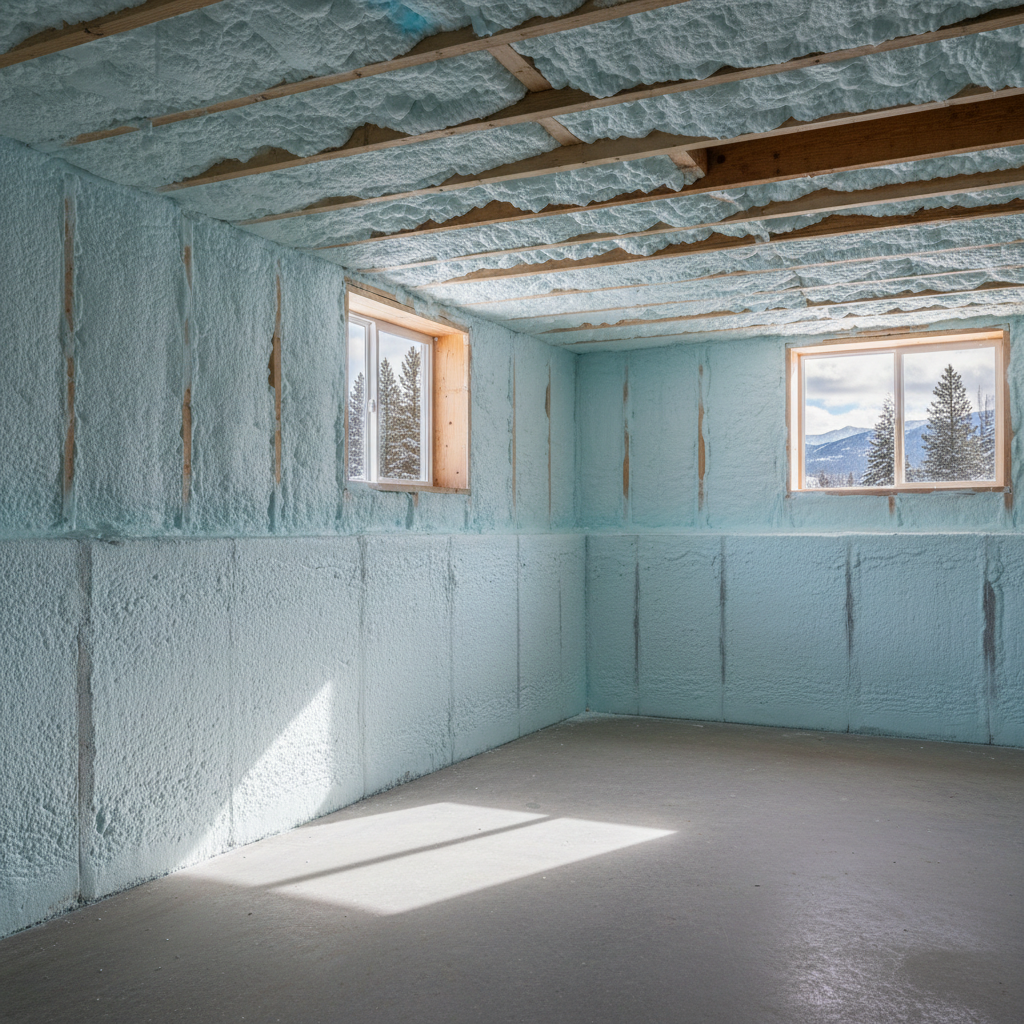
Thinking about insulating your basement? That's a smart move. Here in McCall, with our long, snowy winters and those surprisingly chilly summer nights, a well-insulated basement isn't just about feeling cozy; it's really about protecting your whole home and keeping those energy bills down. Honestly, I've seen plenty of basement insulation jobs go wrong, and it's usually because of a few common slip-ups. Let's talk about what to look out for so you don't end up regretting your choices later.
Starting Insulation Before Dealing with Moisture Issues
This is probably the biggest problem, and it can really mess things up. Your basement is below ground, right? That means it's constantly in contact with the earth, and the earth often holds moisture. I've watched people just jump straight into insulating without properly taking care of existing dampness, and that's a recipe for disaster. You'll just trap that moisture, which leads to mold, mildew, and sometimes even structural damage. Nobody wants that.
Before any insulation is even considered, you need to make sure your basement is dry. Look for water stains, any musty smells, or that white powdery stuff (called efflorescence) on the concrete. Here's a simple trick: tape a 2x2 foot piece of clear plastic to a wall and another to the floor. Check it after a couple of days. If you see condensation forming under the plastic, you definitely have a moisture problem that needs fixing first. This might mean something like exterior waterproofing, putting in interior drainage systems, or maybe just using a good dehumidifier. Don't skip this step; it's absolutely foundational to a successful project.
Picking the Wrong Kind of Insulation Material
Not all insulation works the same, especially when we're talking about basements. I've seen people try to use standard fiberglass batts right against concrete walls in a basement, and that's a big no-no. Fiberglass can soak up and hold moisture, and when you combine that with our freeze-thaw cycles here in Idaho, it creates the perfect spot for mold to grow behind your walls. You don't want that kind of surprise.
For basements, you need materials that can handle moisture and still provide a good thermal barrier. Closed-cell spray foam or rigid foam boards are usually your best options for direct application to concrete. Closed-cell spray foam works as both an air barrier and a vapor barrier, which is a huge benefit for preventing moisture problems. Rigid foam board also works well, as long as it's properly air-sealed. Just remember this: never put plastic sheeting on both sides of your insulation, or you'll just end up trapping moisture again.
Forgetting About Air Sealing and Gaps
Insulation can only do its job well if it's part of a complete system that includes air sealing. Leaving gaps around electrical outlets, plumbing pipes, ductwork, or where the walls meet the rim joists is a huge error. These small openings let cold air in and warm air out, making your insulation much less effective. Why does that matter? Because your energy bills will suffer.
Think about the rim joist area – that's the spot where your foundation meets the main floor framing. It's a really common place for air leakage and heat loss. Spray foam or caulk can make a big difference in sealing up these penetrations before you insulate. You really want a continuous thermal envelope, and that means sealing every little crack and crevice you can find.
Not Understanding R-Values and Local Building Codes
More insulation isn't always better if it's not the right kind or if it's installed incorrectly. You need to meet the recommended R-values for our climate zone. Idaho, especially up here in McCall, falls into colder climate zones (like 6B), which means we have stricter requirements for insulation. For basement walls, current codes often require R-10/13 or even R-19 in wall cavities, or R-15 if you're using continuous board or spray foam insulation.
Don't just guess or assume you know what's needed. Check with the City of McCall Building Department. They're the ones who can tell you exactly what's required for permits and code compliance, especially if you're doing a remodel that involves new insulation. Getting it wrong can lead to failed inspections, rework, and ultimately, wasted money.
Hiring the Wrong Contractor (or Trying to DIY When You Shouldn't)
I get it, everyone wants to save a few bucks. But basement insulation isn't really a weekend warrior project, especially with the unique challenges of our mountain environment. I've seen homeowners try to do it themselves or hire someone who doesn't really specialize in basements, and the results are often pretty costly.
When you're looking for a professional, ask specific questions:
- Do they have experience specifically with basements? A general contractor who mostly does kitchens might not truly understand the nuances of below-grade insulation.
- Can they provide references for basement projects they've completed in our area? Call those references; it's worth the time.
- Do they provide detailed, written estimates that clearly break down all the costs? Vague numbers are usually a red flag.
- Who pulls the permits? It should always be the contractor, not you.
- What's their payment schedule like? Never pay too much upfront.
Here at McCall Insulation, we're not just contractors; we're your neighbors. We genuinely understand what it takes to keep a home comfortable through McCall's long, snowy winters. We know the unique climate challenges, things like the heavy snow loads and the importance of moisture control that comes with living so close to Payette Lake. Choosing an experienced, local company means you're getting someone who understands these specific conditions and won't make those rookie mistakes.
Basement insulation is a big investment, and getting it right the first time will save you a lot of grief and money down the road. Pay close attention to moisture, pick the right materials for the job, seal everything up tight, know the local codes, and hire someone who really knows their stuff. You'll be glad you did when your basement is warm, dry, and efficient for years to come.