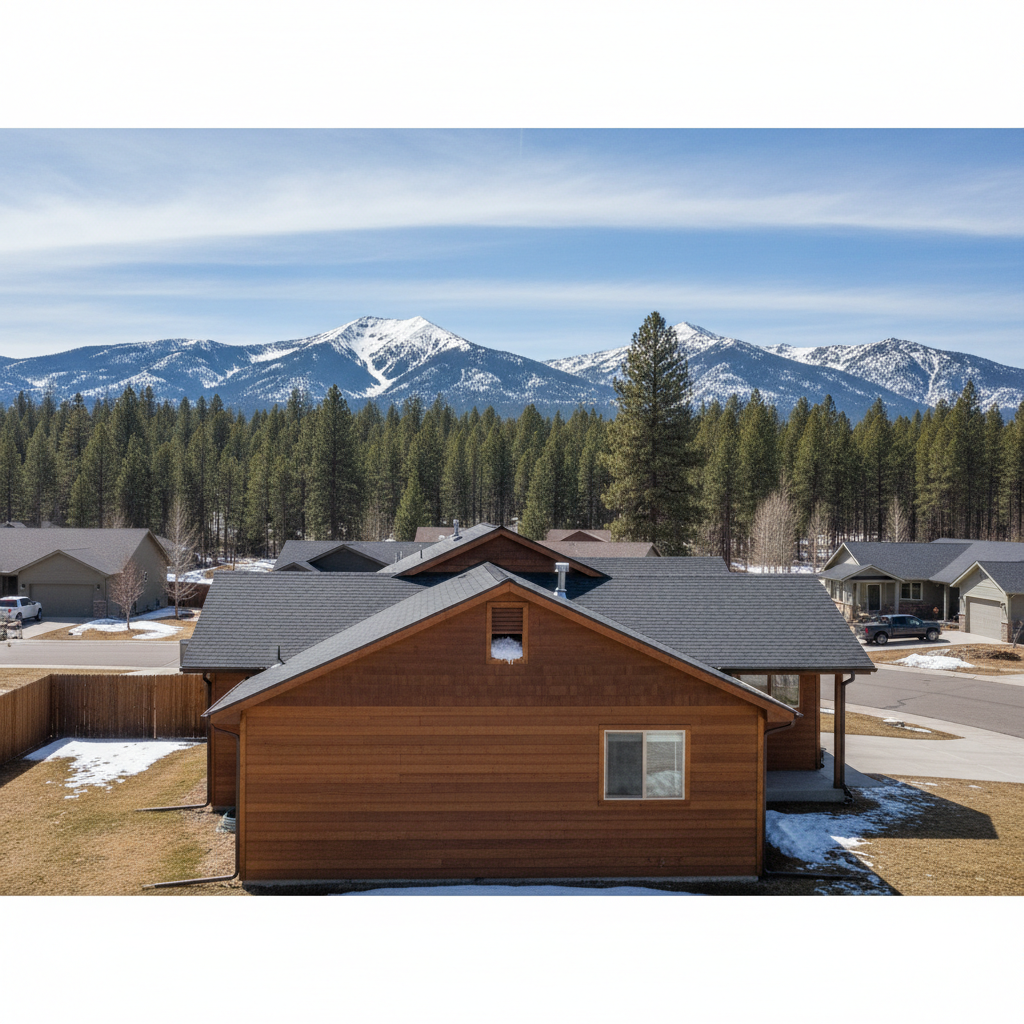
Your attic? It's probably the most forgotten part of your house, and that's a real problem, especially here in McCall. It's not just about staying warm, you know. It's about protecting your whole place from our crazy temperature swings, those heavy snow loads, and even the occasional summer hailstorm. I've poked around in a lot of attics in this area, from the old cabins up by Payette Lake to the newer spots out in Spring Mountain Ranch, and what works for one often just doesn't cut it for another.
Why McCall Attics Are Different
You might figure insulation is just insulation, right? Just shove some pink stuff up there and call it good. But that's way too simple, especially in our neck of the woods. We're not dealing with Boise's climate, or even Coeur d'Alene's. We get serious snow piling up, which means constant, heavy pressure on your roof and a whole lot of cold sitting right over your living space. Then, summer rolls around, and those attics can hit 130 degrees or more. That's a huge thermal shock your home has to put up with, year after year.
The biggest problem I see? Ice dams. You've definitely seen them — those giant icicles hanging off gutters, sometimes even ripping them right off the house. They're more than just an eyesore. They're a clear sign that heat is escaping your attic, melting snow on your roof, and then refreezing at the colder eaves. This can force water right under your shingles, leading to rot, mold, and some seriously expensive damage inside. Good attic insulation, along with proper ventilation, is your best defense against this.
Another thing we constantly deal with is moisture. With all that snow and then the spring melt, handling moisture in your attic is super important. An attic that's poorly insulated or not vented can become a perfect spot for mold and mildew to grow, especially in older homes where air sealing wasn't really a priority when they were built. You certainly don't want that kind of stuff growing above your head, do you?
Common Attic Insulation Projects We Tackle
Most of the time, when people call us about their attic, it usually falls into a few main categories:
- Adding More Insulation: A lot of homes, especially ones built before the last 15-20 years, just don't have enough R-value. Building codes have gotten tougher for a good reason. We often go in and blow in more cellulose or fiberglass to bring things up to standard. It's a pretty easy way to make a huge difference in how comfortable your home feels and how much you pay for energy.
- Air Sealing First: Before you add any insulation, you absolutely have to seal up all those tiny gaps and cracks where conditioned air is leaking into your attic. Think about it: if you're heating or cooling your house, you don't want that expensive air just escaping. We're talking about sealing around light fixtures, plumbing stacks, electrical wires, and the top plates of interior walls. This is often the most critical step, and it's amazing how much of an impact it makes.
- Ventilation Improvements: Insulation and ventilation really go together. You need a way for that moist, warm air to get out of your attic, especially in winter. This usually means making sure soffit vents aren't blocked and that ridge vents or gable vents are actually working. Sometimes, we even put in baffles to make sure airflow from the soffits isn't blocked by new insulation.
- Insulating Attic Access Points: That pull-down ladder or access hatch? It's often like a giant hole in your home's thermal envelope. We'll insulate and weatherstrip those to stop heat from escaping or getting in.
Why Local Expertise Matters for Your McCall Attic
You can read all the DIY blogs you want, but nothing beats someone who's actually been inside hundreds of McCall attics. I know what to look for:
- Specific Building Styles: We see everything from log homes to modern mountain architecture. Each one has its own quirks when it comes to insulation and ventilation.
- Local Weather Patterns: We've lived through the winters here. We know what kind of R-value you truly need to stay comfortable and avoid problems like ice dams, not just what some generic national guide suggests.
- Understanding Local Codes: Building codes change. We stay on top of the latest requirements for our area, making sure your project meets or even exceeds them.
- Identifying Common Problems: We've seen the mold, the rodent damage, the inadequate venting, and the old, settled insulation. We know how to spot these issues quickly and recommend the right solutions.
When you're dealing with something as important as your home's thermal envelope, you really want someone who understands what it's like to live here. We're not just contractors; we're your neighbors. We're McCall Insulation, and we're here to make sure your home is as comfortable and energy-efficient as it can be, all year long.
Don't let your attic be an afterthought. Give us a call, and we can come take a look. It's often one of the best investments you can make in your home's long-term health and your family's comfort.