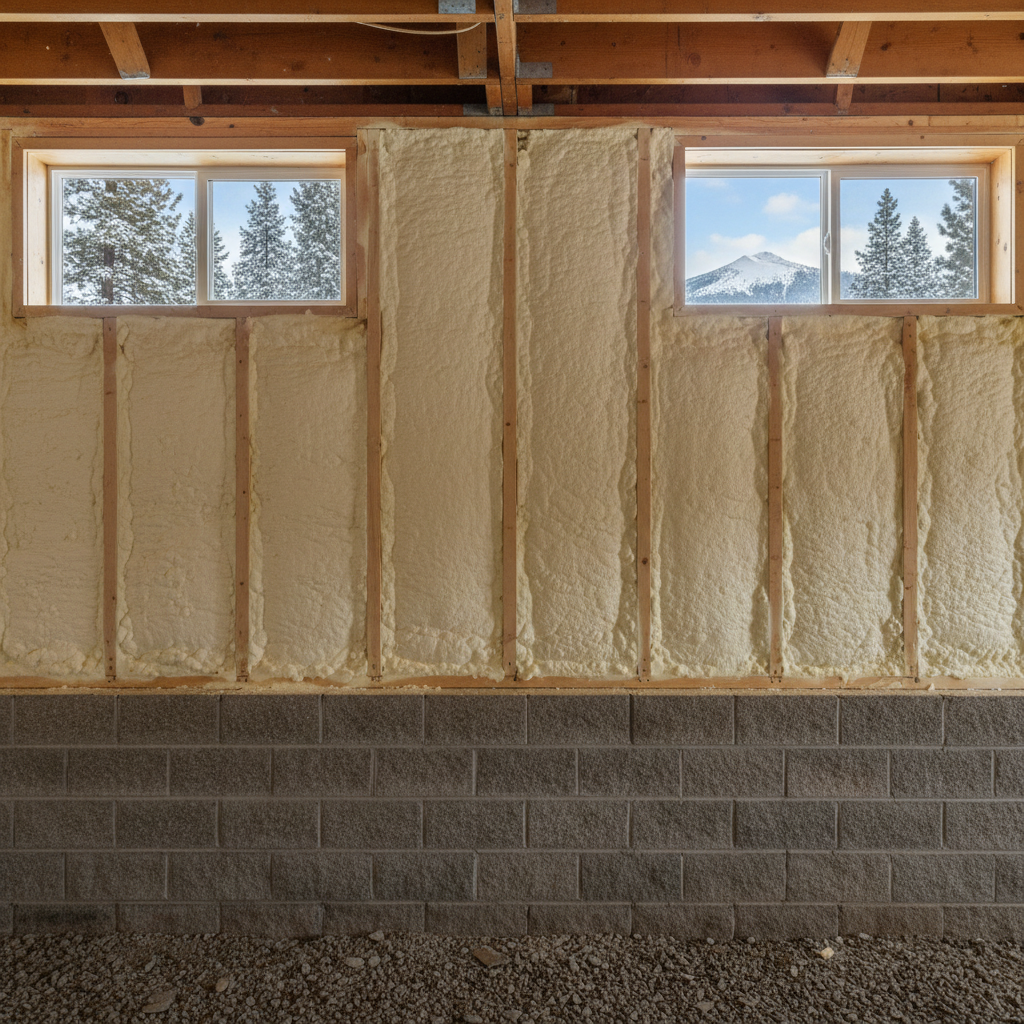
Basement insulation in McCall isn't just about comfort; it's about protecting your home from our wild temperature swings and that ever-present moisture. You've invested in it, so let's make sure it lasts and keeps doing its job. I've seen a lot of basements around here, from the older homes in the downtown core to the newer builds up near Tamarack, and the story's always the same: good insulation needs a little looking after.
Extending the Life of Your Basement Insulation
The best way to make your insulation last is to protect it from its enemies: water, pests, and physical damage. It sounds simple, but it's where most problems start.
- Keep it Dry: This is priority number one. Water is insulation's worst enemy, especially here in McCall where we get heavy snowmelt and spring rains. Make sure your gutters are clean and directing water away from your foundation. Check your downspouts; they should extend at least five feet from the house. Grade your landscaping so water flows away, not towards, your basement walls. If you've got a sump pump, test it regularly. A dry basement is a happy basement, and happy insulation lasts a long time.
- Control Humidity: Even without direct leaks, high humidity can cause issues, especially with fiberglass or cellulose. Consider a dehumidifier in your basement, particularly during warmer, wetter months. Aim for 30-50% humidity. This prevents mold growth on insulation and other surfaces, which can degrade materials and create air quality problems.
- Pest Proofing: Mice, voles, and insects love to nest in insulation. Seal up any cracks or gaps in your foundation walls, around pipes, and utility penetrations. A small hole is an open door for a critter looking for a warm, cozy spot. Once they're in, they can chew up insulation, compact it, and leave behind droppings that compromise its effectiveness and introduce odors.
- Protect from Damage: Be mindful when moving furniture or storing items in your basement. A sharp corner or a heavy box can compress or tear insulation, creating cold spots. If you're doing any DIY projects, take care not to accidentally damage vapor barriers or insulation boards.
Regular Maintenance Checks You Can Do
You don't need to be an expert to spot potential issues. A quick walk-through a few times a year can save you a lot of headaches and money down the road.
- Visual Inspection: Look at your insulation. Does it look compressed, wet, stained, or torn? Are there any visible gaps between insulation panels or where it meets the floor joists? For batt insulation, is it sagging or falling out of place? For rigid foam, are there cracks or holes?
- Check for Moisture: Feel the walls and any exposed insulation. Is anything damp? Look for water stains on walls, floors, or the insulation itself. Pay close attention to corners, around windows, and where pipes enter the basement. Sometimes, you'll see efflorescence – that white, powdery residue – on concrete walls, which is a sign of moisture wicking through.
- Look for Pests: Keep an eye out for droppings, nests, or chewed materials. If you see signs of activity, address it immediately.
- Air Leaks: On a cold, windy day, stand in your basement and feel for drafts, especially around rim joists, windows, and any penetrations for wires or pipes. These drafts can compromise your insulation's performance.
Warning Signs of a Problem
These are the red flags that tell you something's not right and needs attention.
- Musty Odors: A persistent musty smell is almost always a sign of mold or mildew, which means you have a moisture problem somewhere.
- Cold Spots: If certain areas of your basement feel noticeably colder than others, it could indicate compromised or missing insulation in that spot.
- Higher Energy Bills: A sudden, unexplained jump in your heating bills could mean your insulation isn't performing as it should, letting heat escape or cold air in.
- Visible Mold or Mildew: This is a clear indicator of excessive moisture. Don't ignore it.
- Sagging or Deteriorated Insulation: If your insulation is visibly sagging, falling apart, or looks like it's been damaged by water or pests, it's not doing its job effectively.
- Pest Infestations: If you're seeing more mice or insects than usual in your basement, they might be attracted to damaged insulation or finding easy entry points.
When to Call a Professional
Some things you can handle yourself, but for others, it's best to bring in someone who knows what they're doing. That's where folks like us at McCall Insulation come in. You should call a professional if:
- You find significant water intrusion: A small damp spot might be a DIY fix, but ongoing leaks, standing water, or widespread dampness needs a pro to diagnose and fix the source before addressing the insulation.
- There's extensive mold growth: Mold can be a health hazard. If it's more than a small patch, get a professional to assess and remediate it safely.
- You suspect a pest infestation that you can't control: Pests can do serious damage, and sometimes you need an exterminator before we can even think about insulation repairs.
- You're unsure about the source of a problem: If you've got cold spots or high bills but can't pinpoint why, we can often identify the underlying insulation issues.
- Your insulation is old and failing: If your home was built decades ago, especially before modern insulation standards, your existing basement insulation might just be at the end of its life, or it might not have been adequate for our McCall winters to begin with. We can assess its condition and recommend upgrades.
- You notice structural issues: Cracks in the foundation, bowing walls, or other structural concerns need to be addressed by a foundation expert first. Insulation can't fix those kinds of problems.
Taking care of your basement insulation isn't a huge chore, but it's an important one. A little attention goes a long way in keeping your McCall home warm, dry, and efficient for years to come.