Do I really need to insulate my garage in McCall? It's just a garage, right?
Look, I get it. A lot of folks see their garage as just a spot to park the car, maybe stash some old boxes. But here in McCall, where our winters can dip way below zero and summers still get plenty warm, an uninsulated garage is a huge energy hog. Think about it: that garage shares walls with your house, doesn't it? If those walls aren't insulated, all that cold in winter, or heat in summer, just bleeds right into your living space. Your furnace or AC then has to work overtime just to keep things comfortable. Plus, if you're actually using your garage as a workshop, a home gym, or even for laundry, you'll be way more comfortable with some decent insulation. It's not just about comfort, though; it's also about protecting anything you store out there from those wild temperature swings.
What's the best type of insulation for a garage in our climate?
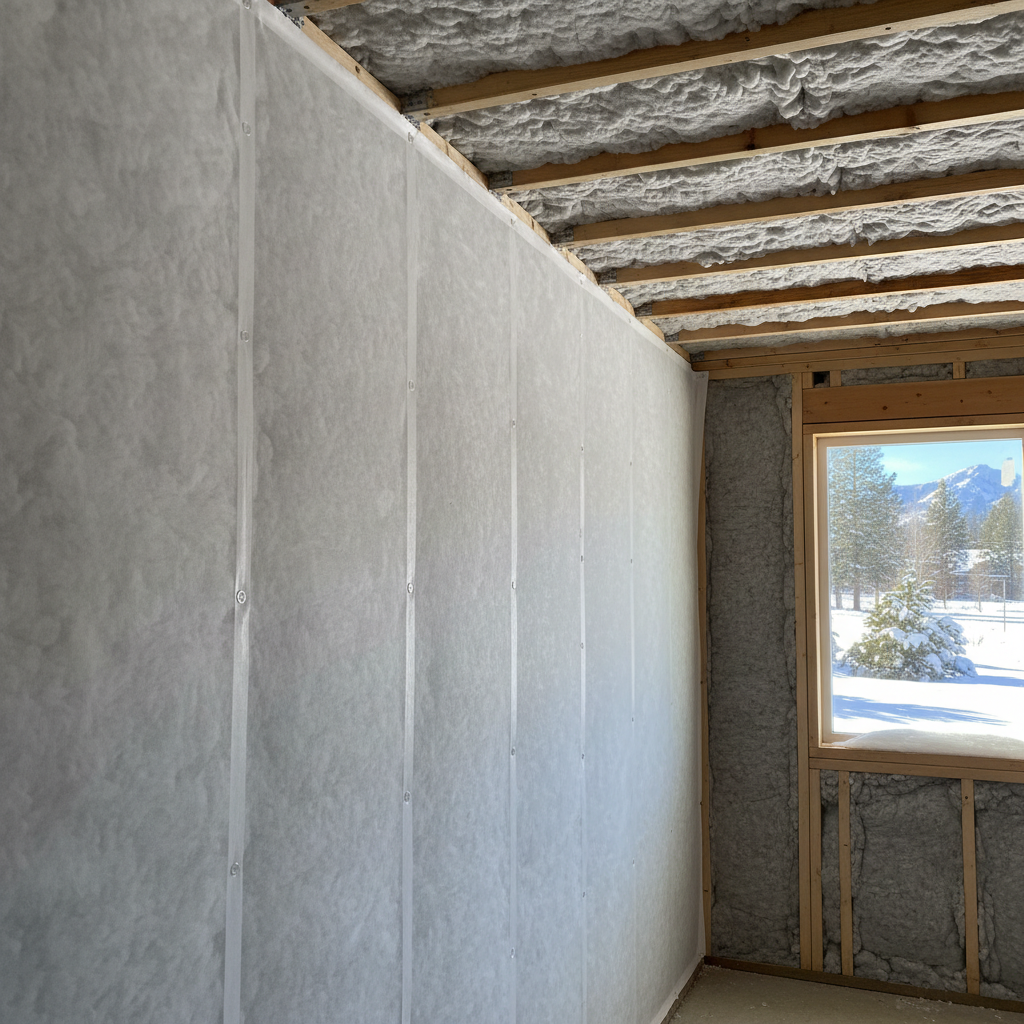
When it comes to garages around here, you've got a few solid options. What's "best" really boils down to your specific situation and budget, of course. For walls and ceilings, batt insulation—that's fiberglass or mineral wool—is a common, budget-friendly choice, especially if the walls are already framed and open. It's pretty simple to put in. Blown-in cellulose or fiberglass can work wonders for attics right above a garage, easily filling those awkward spaces. But if you're really aiming for top-notch performance, especially for a garage attached to your living space or one you plan to heat or cool regularly, spray foam is tough to beat. It creates an air seal, which is a massive deal for stopping drafts and moisture problems, and it gives you excellent R-value per inch. I've personally seen it make a huge difference in homes right here in the Aspen Ridge area, where the wind can really howl.
Will insulating my garage actually save me money on my energy bills?
Absolutely, it will. Think of your garage as a buffer zone between the outside world and your nice, warm (or cool) home. If that buffer is uninsulated, it's basically a giant thermal hole. Heat escapes your house into a cold garage in winter, and heat from a hot garage radiates right into your house in summer. By insulating, you're creating a much more stable temperature in the garage, which means way less heat transfer. Your HVAC system won't have to work nearly as hard to keep your indoor temperature steady, and that translates directly into lower energy bills. It's an investment, yes, but one that pays you back over time, especially with McCall's wild temperature swings.
Should I insulate my garage door too?
Yes, you really should think about insulating your garage door. It's often the biggest uninsulated opening in your garage, and it can be a huge source of heat loss or gain. You can buy garage doors that are already insulated, or if you've got an existing door, there are DIY insulation kits available. These usually involve rigid foam panels that fit right into the door's sections. It won't be as effective as insulating the walls and ceiling, but it definitely makes a noticeable difference, especially if you're trying to keep the garage comfortable. Plus, it helps cut down on outside noise.
What about moisture and ventilation in an insulated garage?
This is a super important question, especially in our climate where we deal with snowmelt and humidity. When you insulate, you're making the space tighter, which means you really need to think about how moisture gets managed. If you're insulating walls, a vapor barrier on the warm-in-winter side—that's the interior side here in McCall, obviously—is critical to stop moisture from condensing inside the wall cavities. For floors, especially if you're parking a wet car in there, good drainage is key. Ventilation is also important, particularly if you're running vehicles or using chemicals. An insulated garage might need some controlled ventilation, like an exhaust fan, to prevent moisture buildup and keep the air quality good. We always look at the whole picture when we're doing a job for McCall Insulation, not just stuffing insulation in.
Can I insulate an attached garage differently than a detached garage?
You bet. The main difference comes down to that shared wall. For an attached garage, the wall between the garage and your living space should be treated just like an exterior wall of your home. That means it needs proper insulation and air-sealing to prevent thermal transfer and air leakage into your house. Fire safety is also a big deal here; building codes often require specific fire-rated drywall (like 5/8-inch Type X gypsum board) on that shared wall, no matter what kind of insulation you use. For a detached garage, you're mostly focused on keeping the garage itself comfortable and energy efficient, without that direct impact on your main home's energy use. You still want good insulation, but the specific R-values and fire-rating requirements might be different.
What's the deal with insulating the ceiling if there's an attic above it?
If you've got an attic space above your garage, you absolutely should insulate the ceiling of the garage. This is pretty much like insulating the attic of your main house. The whole point is to create a thermal barrier between the garage below and the unconditioned attic space up above. Blown-in insulation, whether it's cellulose or fiberglass, is often a fantastic choice for garage attics because it can fill irregular spaces and cover joists effectively, cutting down on thermal bridging. If you're planning to use that attic space for storage or even finish it out, then you'd treat it more like a conditioned space and insulate the roofline. But for a typical unconditioned attic, insulating the ceiling is definitely the way to go.