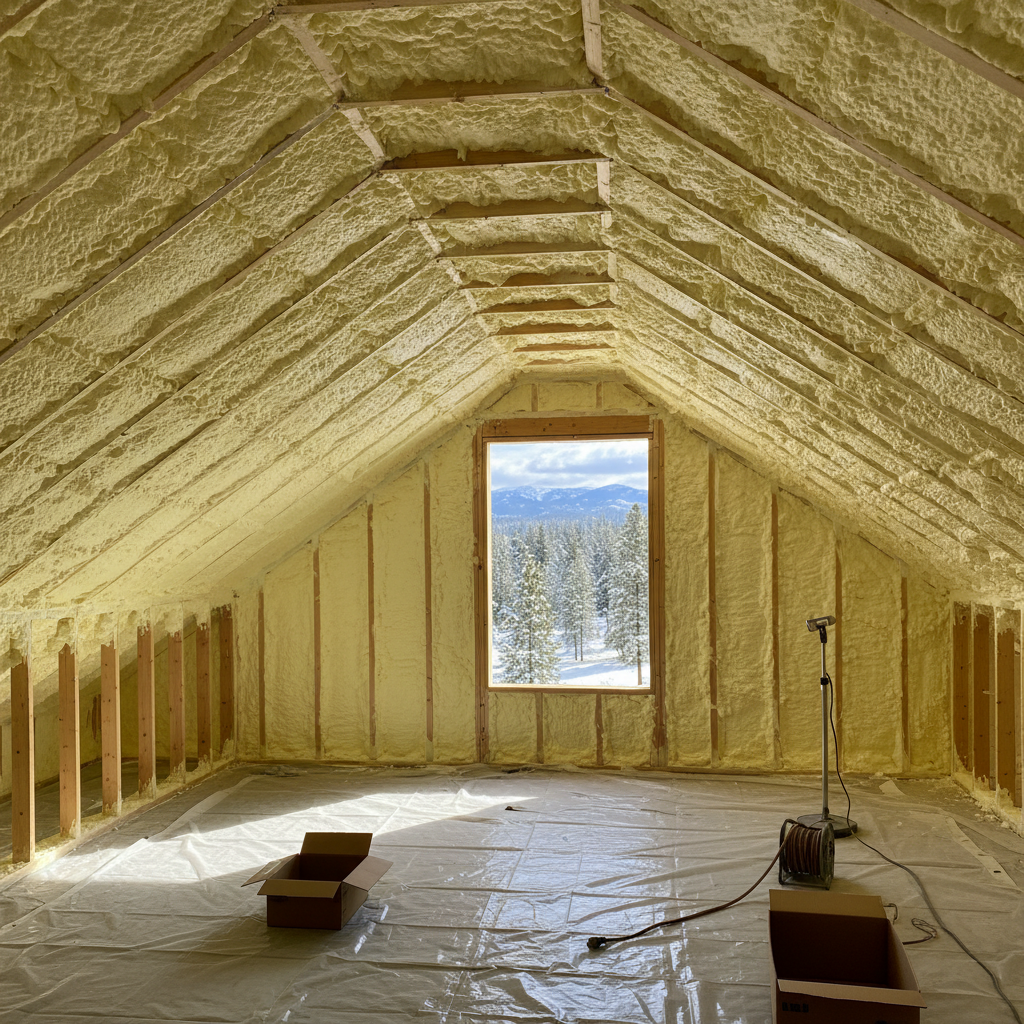
You're looking at closed-cell spray foam for your home, and that's a smart move, especially up here in McCall. It's a fantastic product for keeping the heat in during our brutal winters and the cool air inside when summer finally hits. But it's not just about picking a product; it's about timing and understanding how our unique climate affects the installation and long-term performance. I've seen a lot of insulation jobs over the years, and I can tell you, getting the timing right makes a big difference.
When's the Best Time to Schedule Spray Foam Installation?
Honestly, the best time to schedule closed-cell spray foam installation is often when you're already doing other major renovations. If you've got walls open, or you're building new, that's prime time. You get full access, which means a better, more complete seal. But if you're looking at an existing home, you don't necessarily have to wait for a full gut job.
For us here in McCall, I usually tell folks to aim for the shoulder seasons – late spring or early fall. Why then? Well, the temperatures are generally more moderate. The product itself has ideal application temperatures, usually between 40-90 degrees Fahrenheit. Below 40, the chemicals can get too thick, not mix right, and you don't get that perfect expansion and adhesion. Above 90, it can cure too fast, leading to issues. Our spring and fall often hit that sweet spot.
You also want to consider humidity. While closed-cell foam is pretty forgiving, extremely high humidity can sometimes affect the cure time. Our summers can get humid after a good rain, so it's something we watch. The drier, more stable air of spring or fall is generally better for consistent results.
How Does McCall Weather Affect the Job?
McCall weather is, well, McCall weather. It's unpredictable and can change on a dime. Here's what we're looking at when we plan a spray foam job:
- Temperature Swings: As I mentioned, consistent temperatures are key. We're not just looking at the air temperature inside the space, but also the surface temperature of what we're spraying onto. If your attic sheathing is freezing cold, the foam won't stick or cure properly. We might need to use heaters to bring the surfaces up to temperature, which adds time and cost.
- Wind: This is a big one, especially for exterior applications or if we're working in a garage or an open space. Spray foam is a fine mist before it expands. Wind can carry that mist, not only wasting material but also potentially getting it where it shouldn't be. We'll often wait for calmer days or set up wind breaks.
- Moisture: The surfaces we're spraying need to be dry. Completely dry. If you've got a leaky roof, or a damp crawl space, we can't spray over that. The foam won't adhere, and you'll just be trapping moisture, which is a recipe for bigger problems down the road. We'll always do a moisture check before starting. This is especially true for homes built on the lower, wetter parts of town, closer to the lake, where groundwater can be more of an issue.
- Snow and Ice: Obviously, if there's heavy snow or ice, it makes access difficult and dangerous. We're not going to be climbing on a slick roof to spray an attic if it's not safe.
Because of these factors, sometimes we have to reschedule. It's not because we don't want to get the job done; it's because we want to get it done right. A good spray foam job is an investment, and we at McCall Insulation want to make sure it lasts.
Protecting Your Closed-Cell Spray Foam Investment Year-Round
Once that closed-cell spray foam is in, it's pretty durable. It's not like batt insulation that can sag or get compressed. But there are still a few things you should keep an eye on to make sure it keeps performing:
- Ventilation: Even with excellent insulation, proper ventilation is crucial. Especially in attics and crawl spaces. Spray foam creates a very tight envelope. If you don't have adequate ventilation, you can end up with moisture issues from inside your home getting trapped. Make sure your attic vents aren't blocked by snow in the winter or debris in the summer.
- Moisture Control: Continually monitor for leaks. A leaky pipe or a roof issue can introduce moisture, which, while not directly damaging the foam, can lead to other problems in your home's structure. Address any water intrusion immediately.
- Pest Control: Closed-cell foam isn't a food source for pests, and its density can deter them. But it's not a magical barrier. Keep up with your general pest control. If you see signs of rodents or insects, deal with them before they try to tunnel around your insulation.
- Don't Disturb It: Once it's cured, leave it alone. If you need to run new wiring or plumbing through a sprayed area, it's best to call a professional. Cutting into the foam compromises the air seal, and you'll need to re-seal it properly.
- Annual Check-up: Just like you'd check your furnace, it's a good idea to do a visual inspection of your insulated areas once a year. Look for any changes, cracks, or signs of moisture. Most often, you won't find anything, which is exactly what you want!
Closed-cell spray foam is a fantastic way to make your McCall home more comfortable and energy-efficient. Getting it installed correctly, at the right time, and then taking a few simple steps to maintain it means you'll reap the benefits for decades to come. If you have any questions about your specific project, don't hesitate to give us a call at McCall Insulation. We're always happy to talk shop.