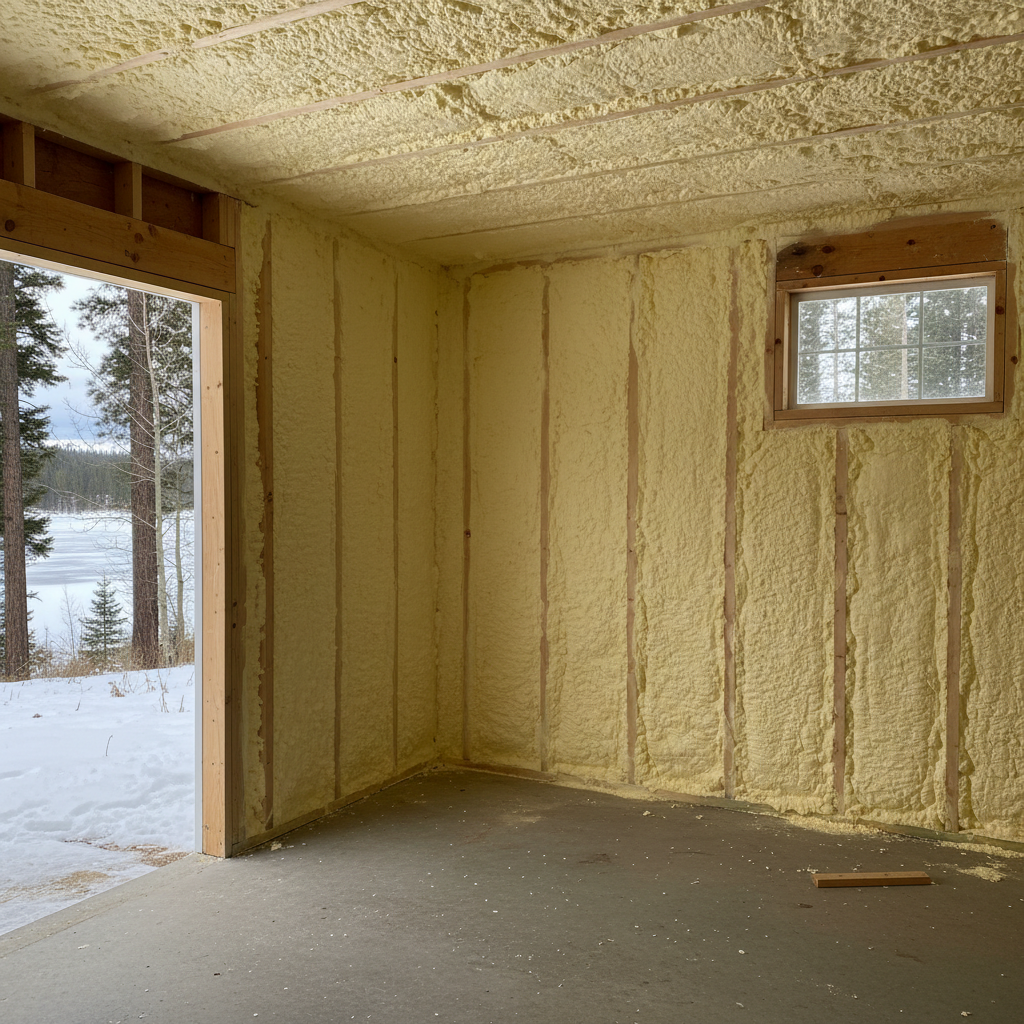
Alright, let's talk sheds. You put in the effort, or maybe I did, to get that insulation in there. Whether it's your workshop, a storage spot for gear, or even a mini-man cave, you want it to last. And up here in McCall, with our crazy snow loads and temperature swings, 'lasting' means paying a little attention. It's not set-it-and-forget-it, especially when we're talking about keeping things warm and dry.
Extending the Life of Your Shed Insulation
You want your insulation to work for years, right? The biggest thing you can do to extend its life is pretty simple: keep it dry. Moisture is the enemy of most insulation materials, especially things like fiberglass or cellulose. Once it gets wet, it loses its R-value, can get moldy, and just generally falls apart. So, first things first, make sure your shed’s exterior is in good shape.
- Roof integrity: Check your shed roof every fall and spring. Look for missing shingles, cracked tar, or any signs of leaks. Up here, those heavy snowfalls can really put a strain on a roof. A small leak can turn into a big problem fast, soaking your insulation from above.
- Siding and trim: Are there any gaps or cracks in your siding? Is the trim around windows and doors sealed up tight? Water can wick in through surprisingly small openings. A little caulk can go a long way.
- Gutters and drainage: If your shed has gutters, keep them clean. You don't want water overflowing and running down the side of your shed, getting into the walls. Make sure the ground around your shed slopes away from the foundation. We get a lot of runoff when the snow melts, and you don't want that pooling against your walls.
- Ventilation: This is crucial. Even insulated sheds need some airflow to prevent condensation. If you've got a vapor barrier, that's great, but a little passive ventilation (like soffit and ridge vents, or even just small gable vents) helps move moist air out. Otherwise, you're just trapping humidity inside, which can lead to mold and rot, even if the insulation itself doesn't get directly wet.
Regular Maintenance: What to Look For
You don't need to be an expert to do a quick check-up. Just a few minutes twice a year can save you a headache later. I usually tell folks to do it when they're putting away or getting out their winter gear.
- Visual inspection (inside and out): Walk around your shed. Look for anything out of place. Inside, check the walls and ceiling where the insulation is. Are there any dark spots? Stains? Is anything sagging?
- Feel for drafts: On a windy day, stand inside your shed. Can you feel air coming in around windows, doors, or where the walls meet the roof? Those drafts mean heat is escaping and cold air is getting in, and it often points to a breach that could let moisture in too.
- Pest patrol: Mice, squirrels, even insects love to make homes in insulation. They'll chew through it, nest in it, and generally make a mess. Look for droppings, chewed material, or small holes in your walls. Seal up any entry points you find. A little steel wool in a small gap can deter rodents pretty well.
Warning Signs of Problems
Some things are more urgent than others. If you see these, don't put off addressing them.
- Damp or wet insulation: This is a red alert. If you touch the insulation and it's damp, or you see water stains on the interior walls or ceiling, you've got a leak. Find it and fix it immediately. Wet insulation is useless insulation, and it's a breeding ground for mold.
- Musty smells: That tell-tale earthy, damp smell is usually mold or mildew. It means you have a moisture problem, even if you can't see the water itself.
- Sagging or compressed insulation: Insulation should be fluffy and fill the cavity. If it's looking flat, compressed, or falling out of the wall, it's not doing its job. This can happen from moisture damage, pest damage, or just poor installation in the first place.
- Higher heating/cooling costs: If you're heating or cooling your shed and suddenly notice it's taking more energy to keep it comfortable, your insulation might be compromised.
When to Call a Professional
Most minor repairs, like sealing a small gap or cleaning gutters, you can handle yourself. But there are times you really should bring in someone who knows what they're doing.
- Major leaks: If you've got a significant roof leak or water coming in through the foundation, that's beyond a simple DIY fix. You need a roofer or a foundation specialist.
- Extensive mold: Small patches of surface mold you can probably clean with a bleach solution. But if it's widespread, deep in the walls, or if you're sensitive to mold, it's best to call a mold remediation expert. You don't want to mess around with that.
- Pest infestations: If you've got a serious rodent or insect problem that's damaged a lot of insulation, you might need an exterminator first, and then someone like us at McCall Insulation to remove and replace the damaged material.
- Insulation replacement: If your insulation is completely waterlogged, moldy, or destroyed by pests, it needs to be replaced. That's a bigger job than most homeowners want to tackle, especially if it involves removing walls or working in tight spaces. We can assess the damage, figure out the best solution, and get new, effective insulation installed properly.
- Persistent drafts or comfort issues: You've checked everything, but your shed is still drafty or just not holding temperature. There might be a hidden issue, like a missing vapor barrier, thermal bridging, or an air leak you can't spot. That's when you call us. We can use tools like thermal cameras to pinpoint exactly where the problems are.
Your shed's insulation is an investment. A little care goes a long way in making sure it protects your belongings and keeps your space functional, no matter what the McCall weather throws at it. Don't let your shed become a frozen, forgotten mess!